Callback





Dr. Tim Klatte is a Partner at Grant Thornton China, leading the Forensic Advisory Services business. A Shanghai resident for 20 years, he advises multinational corporations on corporate compliance matters in China.
There is a visible shift underway in the global balance of power, marked by China’s renewed openness and the USA’s retreat into nationalism. As we enter 2026, the after-effects of these contrasting strategies, led by geopolitics, economics, and international politics, are increasingly apparent. China is integrating more deeply into the world economy and expanding its soft-power influence in an effort to elevate its standing within this new order. The USA, by contrast strategy, appears set on a more inward-looking trajectory rooted in nationalist sentiment, which may see it move in a different direction. Examining the dynamics of these diverging approaches reveals significant potential consequences, with many observers anticipating a profound power transformation in Asia in the years ahead.
Throughout history, China’s ascent has been attributed to economic growth and international positioning, among other factors. The Henley Openness Index underscores this trajectory: the number of countries granted visa-free access to China has continued to rise, reflecting a persistent quest for openness. According to the latest Henley Passport Index data, 14 nations were granted visa-free access to China in 2025, following 5 others added in late 2024. As a result, citizens of nearly 20 countries now enjoy newly extended travel privileges. This development enhances the mobility of people while signaling China’s renewed alignment with the principles of globalization. By contrast, the USA continues to adopt nationalist policies, hindering immigration aspirations.
A major indication of China’s increasing presence is the growth of its economic reach. Based on recent International Monetary Fund analysis, China’s economy was predicted to reach USD 19 trillion in 2025, thus seeing it emerge as the leading economy globally.1 This economic strength is complemented by China’s growing trade project, the Belt and Road Initiative, which for more than a decade has built strong interchanges throughout Asia, Europe, and Africa. Through these efforts, China is elevating its presence globally and reducing the economic dominance that, for the longest time, belonged to the USA.
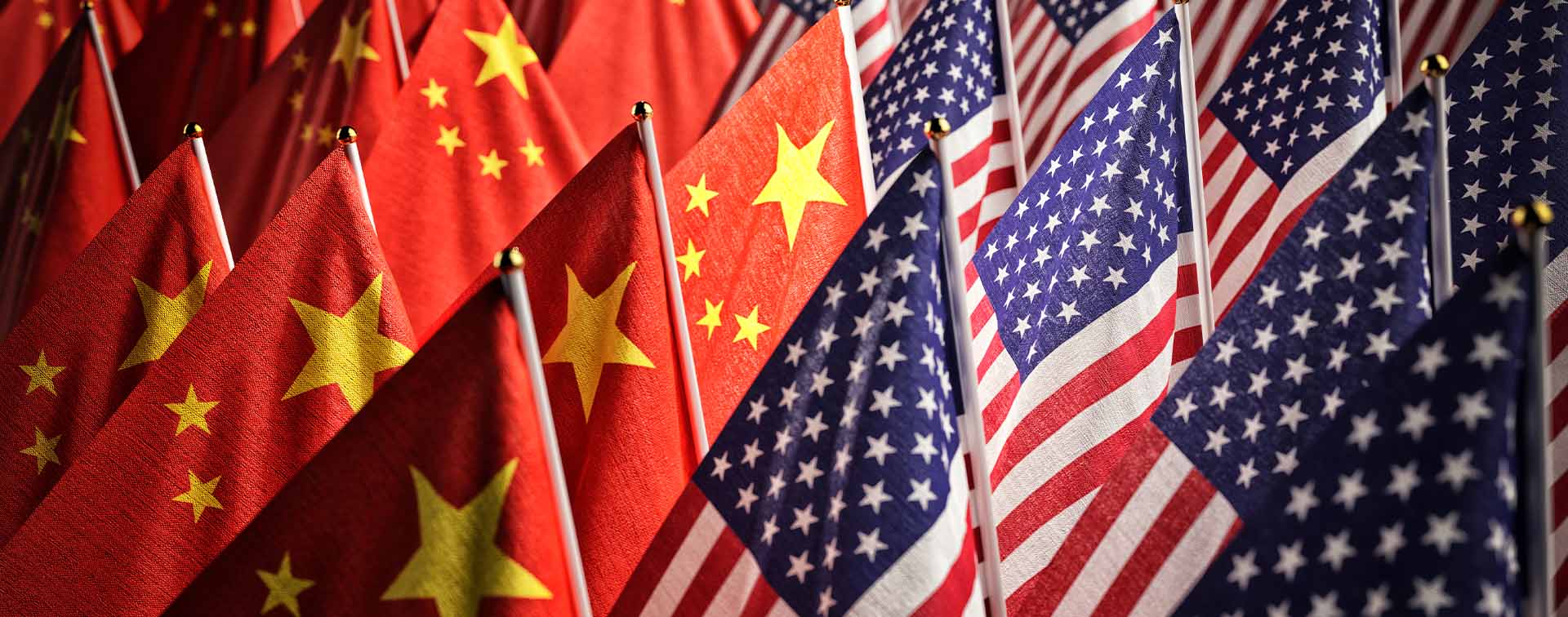
China’s pledge to globalization also appears through its engagement with major international organizations that promote trade such as the World Trade Organization, demonstrating a positive commitment directly impacting the business community. The USA, by contrast, appears less committed to multilateral trade agreements, as indicated by its withdrawal from the Trans-Pacific Partnership, among others.2
In the political arena, China’s expanding influence increasingly challenges longstanding US dominance. Through the Shanghai Cooperation Organization and a range of other diplomatic initiatives, Beijing has demonstrated its capacity to build alliances not only in its own backyard but also across wider regions, anchoring these partnerships in economic and cultural cooperation.3 By contrast, US foreign policy has often been unilateral and strategically reliant on military strength rather than diplomatic efforts. With Asian neighbors witnessing China as a major player, the relative impact of the USA is likely to diminish, accelerating a broader shift in global power towards the East.
China’s growing openness is also reshaping both its domestic landscape and the way it is viewed internationally. The relaxation of restrictions on travel and the extension of visa-free entry to countries such as Bahrain, Kuwait, and several South American nations, signal a deliberate effort to foster greater global connectivity. This widening network of mobility supports the idea of a globally active citizenry, emphasizing the citizenship of the world, which reflects the ambitions of a nation that is open and welcoming.
On the other hand, the current path of nationalism the US is following may result in isolation on both economic and political fronts. With India and Brazil, for example, looking to forge closer economic ties with China, the need for alignment with the USA will eventually reduce. Such factors will have an impact on America’s position on the international scene.
Various analyses have shown that these shifts are expected to have significant short-term impacts. Regarding the economy, the next several years will see Asian nations dominating the headlines, spearheaded by China, which is expected to contribute almost half of the gross economic worldwide activity.4
With the evolving dynamics of international relations, the balance of soft power is increasingly tilting toward states that engage constructively with the global community. China’s strategy of greater openness seeks not only to advance its economic interests but also to cultivate deeper international trust and cooperation. In contrast, America’s diminishing soft power is likely to weaken its ability to influence and shape the global system in the years ahead.
The current geopolitical landscape is primed for a radical shift. China’s embrace of globalization is positioning it as a leading figure in the realm of soft power, offering a stark contrast to the USA’s continued pursuit of an “America First” strategy. By signaling openness and prioritizing cooperative, mutually beneficial partnerships, China is shaping an environment in which Asian nations — and China in particular — are likely to gain further prominence. As global actors seek partners that champion transparency, reciprocity, and sustained engagement, China’s approach is set to hold growing appeal in the years ahead.
References
1 International Monetary Fund. (2024). World Economic Outlook: Countering the Cost-of-Living Crisis. Retrieved from imf.org
2 Roubini, N. (2022). The Future of Globalization: How Nationalism is Reshaping Trade. Global Economic Perspectives. Retrieved from roubini.com
3 Council on Foreign Relations. (2023). The Shanghai Cooperation Organization and China’s influence in Central Asia. Retrieved from cfr.org
4 World Bank. (2024). Global Economic Prospects. Retrieved from worldbank.org



As the global leader in residence and citizenship planning, Henley & Partners is best placed to advise you and your family. Contact us for a free consultation.