

Contact Callback +41 44 266 22 22
The Global Leader in
Residence and Citizenship Planning

The Henley Crypto Adoption Index 2026

Digital asset investors are increasingly seeking global mobility to match their borderless wealth. Part of the Crypto Wealth Report 2026, the Henley Crypto Adoption Index benchmarks countries offering residence and citizenship pathways, assessing how effectively they embrace and regulate crypto and blockchain across 900+ data points.

Bitcoin sign - business graph background. Crypto concept - market volatility

Residence and Citizenship Programs for Digital Asset Investors

Explore residence and citizenship programs in leading crypto-friendly destinations. Compare investment migration options across countries featured in the Henley Crypto Adoption Index and discover how global mobility can complement a borderless digital wealth strategy.

Singapore


Singapore leads with one of the world’s most advanced regulated crypto markets, supported by a large network of licensed digital-payment-token providers and significant government-led initiatives in tokenization, digital money, and cross-border settlement. Strong public adoption, a mature fintech sector, and favorable tax treatment reinforce its position at the top of the Henley Crypto Adoption Index.

Find out more about residence by investment in Singapore here.

 
UAE


The UAE offers a multi-layered digital-asset market, with dedicated virtual-asset regulation in Dubai, a separate crypto framework in the DIFC, and established regimes in other financial centers. Updated rules for exchanges, custody, and token issuance, together with the Digital Dirham and favorable personal taxation, underpin the UAE’s position near the top of the Henley Crypto Adoption Index.

Find out more about residence by investment in the UAE here.

 
Hong Kong (SAR China)


Hong Kong has one of Asia’s most developed institutional digital-asset markets, with licensed crypto exchanges and an expanding regulatory framework covering stablecoins, dealing, and custody. Government-led tokenization initiatives, including Project Ensemble and regular tokenized bond issuance, are bringing banks and traditional financial institutions directly into the digital-asset ecosystem.

Find out more about residence by investment in Hong Kong here.

 
USA


The USA leads in public crypto adoption and remains one of the world’s largest markets for cryptocurrency infrastructure, blockchain start-ups, and digital-asset innovation. The Strategic Bitcoin Reserve and the pending market-structure legislation signal a shift towards a more clearly defined national framework for digital assets, although taxation and regulatory complexity still moderate its overall score.

Find out more about residence by investment in the USA here.

 
Switzerland


Switzerland anchors one of Europe’s most advanced markets for blockchain-based finance, with dedicated DLT legislation, regulated trading infrastructure, and a large crypto and fintech ecosystem. Project Helvetia and Switzerland’s regulated DLT trading facilities integrate tokenized assets with the traditional financial system, while favorable treatment of private investment gains also benefits individual crypto investors.

Find out more about acquiring residence in Switzerland here.

 
Malta


Malta was an early mover in crypto regulation, with a dedicated virtual-financial-assets framework in place since 2018 and an experienced supervisory regime now operating under MiCA. Its wider blockchain ecosystem includes the Malta Digital Innovation Authority, technology-assurance frameworks, and participation in European blockchain sandboxes, supporting its high ranking on the Henley Crypto Adoption Index.

Find out more about residence by investment in Malta here.

 
Thailand


Thailand’s crypto market is well established, with broad public participation and a clear regulatory framework for licensed digital-asset firms. Active digital-asset sandboxes and a 0% tax exemption on qualifying crypto investment gains from licensed domestic providers between 2025 and 2029 further support its standing.

Find out more about residence by investment in Thailand here.

 
UK


The UK is putting in place one of the most comprehensive regulatory frameworks for crypto assets, covering trading, custody, stablecoins, and other core digital-asset services. Complementing high public adoption and a deep fintech sector, the Digital Securities Sandbox allows firms to test tokenized securities and new settlement models within a live regulated environment.

Find out more about acquiring residence in the UK here.

 
Cyprus


Cyprus is emerging as an active European Union base for regulated crypto-asset businesses, with CySEC already authorizing exchanges, custody providers, and other service firms under MiCA. High public participation, an operational regulatory sandbox, and competitive tax treatment place Cyprus among the higher scoring European countries on the Henley Crypto Adoption Index.

Find out more about residence by investment in Cyprus here.

 
The Bahamas


The Bahamas bases its digital-asset market on the Digital Assets and Registered Exchanges Act, which regulates exchanges, payment services, token offerings, and other virtual-asset activities. The Sand Dollar, one of the world’s earliest live retail central bank digital currencies, adds to this foundation, alongside high crypto adoption and a favorable tax environment.

Find out more about residence by investment in The Bahamas here.

 
Canada


Canada has a well-established crypto market, with broad public participation, mature infrastructure, and clear official treatment of crypto-asset activities. The country is also advancing institutional digital finance, including through Project Samara, which tested tokenized bond issuance and settlement using distributed ledger technology and central bank money.

Find out more about residence by investment in Canada here.

 
Cayman Islands


The Cayman Islands has established a full licensing regime for virtual-asset custody and trading platforms, with CIMA supervising market entry, conduct, and ongoing reporting. The absence of general personal income and capital gains taxes further enhances the jurisdiction’s appeal to internationally oriented digital-asset firms and private investors.

Find out more about residence by investment in Cayman Islands here.

 
Bahrain


Bahrain maintains a dedicated regulatory framework for crypto-asset services, with Central Bank licensing covering trading, brokerage, custody, and related activities. An active fintech sandbox and the introduction of a formal stablecoin issuance framework broaden the scope of this regulated market, while zero personal income and capital gains tax remain important advantages for investors.

Find out more about residence by investment in Bahrain here.

 
Türkiye


Türkiye has a large and active cryptocurrency market, driven by strong public adoption and a well-established domestic digital-asset ecosystem. The introduction of a formal framework for crypto-asset service providers, alongside the Digital Turkish Lira program, provides greater regulatory clarity and demonstrates the government’s growing role in digital-finance development.

Find out more about citizenship by investment in Türkiye here.

 
El Salvador


El Salvador remains unique for giving Bitcoin formal legal recognition and building a dedicated regulatory framework around digital assets. Even after merchant acceptance became voluntary, Bitcoin continues to play a defined role in national policy, taxation, and the country’s broader digital-asset strategy.

Find out more about citizenship by investment here.

 
Malaysia


Malaysia strengthens its position through clear digital-asset regulation, solid public adoption, and favorable treatment of private crypto gains. Its regulated market is becoming more established, with an enhanced Digital Asset Exchange framework introduced in 2026, while the country is also advancing institutional tokenization through Malaysia’s first tokenized sukuk pilot led by Khazanah and the Securities Commission.

Find out more about residence by investment in Malaysia here.

 
Mauritius


Mauritius offers one of the most comprehensive virtual-asset frameworks in its region, with dedicated legislation and licensing for exchanges, custodians, wallet providers, and other digital-asset firms. Its treatment of private investment gains adds to the jurisdiction’s appeal, while the Bank of Mauritius has also tested a retail Digital Rupee on a permissioned blockchain as part of its ongoing work on central bank digital currency.

Find out more about residence by investment in Mauritius here.

 
Australia


Australia is extending its crypto market into tokenized finance, with the now-completed Project Acacia having tested wholesale digital assets and settlement using a pilot central bank digital currency, stablecoins, and tokenized bank deposits. New legislation passed in 2026 also establishes a formal licensing regime for digital-asset and tokenized-custody platforms.

Find out more about acquiring residence in Australia here.

 
Italy


Italy’s digital-asset market is maturing, combining an active blockchain and fintech sector with the full implementation of MiCA. The move to authorized crypto-asset service providers under Consob and Banca d’Italia gives businesses and investors greater regulatory clarity in the Italian market.

Find out more about residence by investment in Italy here.

 
Austria


Austria offers a well-regulated environment for digital assets, with MiCA providing a clear framework for crypto-asset services. Strong financial infrastructure, high digital readiness, and a developed blockchain and fintech sector provide a solid foundation for crypto and digital-asset activity.

Find out more about acquiring residence in Austria here.

 
Luxembourg


Luxembourg provides a clear legal framework for using blockchain in traditional financial markets, particularly for issuing, holding, and transferring tokenized securities. Its successive Blockchain Laws and participation in European digital-finance initiatives make the country particularly relevant for institutional digital assets, reinforcing Luxembourg’s established role as one of the major European investment and financial centers.

Find out more about residence by investment in Luxembourg here.

 
Antigua and Barbuda


Antigua and Barbuda offers one of the most favorable crypto tax environments among investment migration countries on the Henley Crypto Adoption Index, with no general personal income or capital gains taxes. Cryptocurrency adoption and infrastructure are present on a smaller scale, leaving the country’s tax treatment and international financial orientation as its clearest advantages for private investors.

Find out more about citizenship by investment in Antigua and Barbuda here.

 
Portugal


Portugal stands out for its crypto tax treatment and strong digital economic fundamentals. Qualifying cryptocurrency gains on assets held for at least 365 days are generally exempt, while shorter term gains are taxable, creating a particularly favorable environment for long-term investors compared with many other European investment migration host countries on the Henley Crypto Adoption Index.

Find out more about residence by investment in Portugal here.

 
Latvia


Latvia pairs clear cryptocurrency regulation with strong digital connectivity and meaningful public interest in digital assets. The country has an active fintech sector, offers formal supervision of crypto-asset service providers, and participates in European blockchain and digital-finance projects, creating a broader digital-asset ecosystem than its relatively small market size might suggest.

Find out more about residence by investment in Latvia here.

 
St. Kitts and Nevis


St. Kitts and Nevis pairs strong cryptocurrency adoption with a favorable tax environment, including no general personal income or capital gains taxes. The country has continued to formalize its digital-asset framework, introducing updated Virtual Asset legislation and new Virtual Asset Business Regulations in 2026. Strong adoption, its tax environment, and greater regulatory clarity underpin its ranking.

Find out more about citizenship by investment in St. Kitts and Nevis here.

 
Argentina


Argentina has a significant cryptocurrency user base and an increasingly formal regulatory environment for digital assets. Crypto plays an important role within the country’s broader financial landscape, while developing regulation and an active blockchain ecosystem are helping establish Argentina as one of Latin America’s notable cryptocurrency markets.

Find out more about residence by investment in Argentina here.

 
Monaco


Monaco’s cryptocurrency proposition is primarily driven by its exceptional tax environment and strong economic fundamentals. Most residents are not subject to personal income or capital gains taxes, making the principality particularly relevant for private crypto wealth even though its domestic blockchain ecosystem and retail crypto infrastructure are relatively limited.

Find out more about acquiring residence in Monaco here.

 
New Zealand


New Zealand combines strong public participation in cryptocurrency with clear official tax guidance and well-developed digital and financial foundations. Ongoing Reserve Bank work on potentially adopting Digital Cash signals continued institutional interest in digital finance, while dedicated crypto infrastructure remains comparatively modest.

Find out more about residence by investment in New Zealand here.

 
Greece


Greece’s digital-asset market is taking shape, with clearer rules for crypto businesses and growing institutional involvement in fintech. The Bank of Greece also operates a regulatory sandbox for testing financial innovations, helping to develop the country’s crypto and fintech ecosystem.

Find out more about residence by investment in Greece here.

 
Grenada


Grenada is gradually establishing clearer rules for digital assets within its wider financial services environment. The Virtual Asset Business Act and subsequent regulations provide formal oversight for the sector, while the absence of a general capital gains tax remains an important advantage for private investors.

Find out more about citizenship by investment in Grenada here.

 
Maldives


The Maldives is seeing growing interest in cryptocurrency alongside strong digital connectivity and solid economic fundamentals. Ongoing work on a formal virtual-asset framework is creating a more structured environment for crypto and fintech activity, with its position on the Henley Crypto Adoption Index reflecting relatively early development of dedicated crypto infrastructure.

Find out more about residence by investment in Maldives here.

 
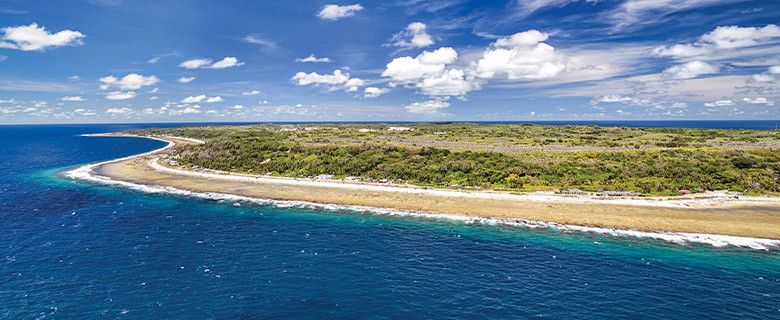
Naoero


Naoero is emerging as a newly regulated jurisdiction for virtual assets, following the establishment of the Command Ridge Virtual Asset Authority in 2025. The framework licenses and supervises virtual-asset service providers. Favorable taxation and its recently launched citizenship program may appeal to mobile crypto investors, although the domestic crypto ecosystem remains small.

Find out more about citizenship by investment in Naoero here.

 
Uruguay


Uruguay combines strong financial inclusion, digital connectivity, and economic fundamentals with a developing cryptocurrency market. Although its crypto-specific infrastructure remains limited, an established financial system and continued regulatory development provide a foundation for broader digital-asset activity.

Find out more about acquiring residence in Uruguay here.

 
Panama


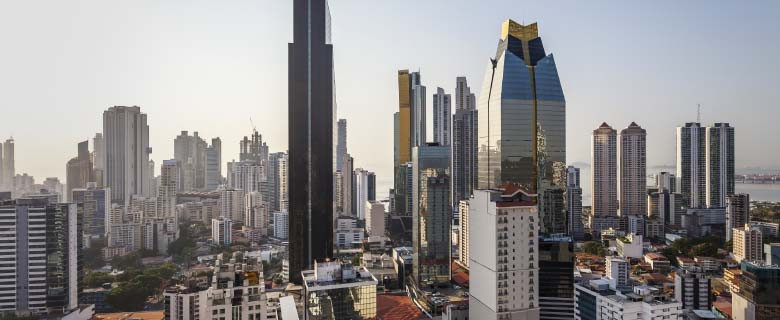
Panama combines moderate cryptocurrency adoption with the advantages of an established international financial center. Interest in digital assets has grown alongside fintech activity, while the country continues to develop a clearer legal framework for crypto-related services and payments.


Find out more about residence by investment in Panama here.

 
Paraguay


Paraguay offers relatively favorable taxation of cryptocurrency investment gains and personal income compared with many investment migration host countries on the Henley Crypto Adoption Index. Cryptocurrency adoption is developing, while regulation and dedicated infrastructure remain relatively limited, making low taxation the country’s strongest differentiator for digital-asset investors.

Find out more about residence by investment in Paraguay here.

 
Costa Rica


Costa Rica has growing public interest in cryptocurrency and a broader technology sector that provides a natural base for digital-asset activity. The crypto market is still developing, with regulation and dedicated infrastructure at an earlier stage, but expanding fintech activity is helping to broaden the country’s digital-finance ecosystem.

Find out more about residence by investment in Costa Rica here.


Contact Us Today

As the global leader in residence and citizenship planning, Henley & Partners is best placed to advise you and your family. Contact us for a free consultation.

smiling professional business meeting
REQUEST A CALLBACK

We use cookies to give you the best possible experience. Click 'Accept all' to proceed as specified, or click 'Allow selection' to choose the types of cookies you will accept. For more information, please visit our Cookie Policy.

Loading...